August 24, 2016 by Sound Sleep Health
The most common approaches for treating all sleep health problems include: Prescriptive devices Surgical Pharmaceutical Behavioral All of these, of course, require you to undergo diagnostic observation by a sleep specialist in order to receive your differential diagnosis and to start treatment. For sleep-breathing disorders obstructive sleep apnea (OSA), in particular some of the treatment…
Read more

August 23, 2016 by Sound Sleep Health
Upper airway resistance syndrome (UARS) is a form of obstructive breathing during sleep which only yields a partial blockage of the airway and does not result in low oxygen levels in the bloodstream. What is upper airway resistance? It can include snoring, but the syndrome that defines UARS doesn’t necessarily lead to snoring.With upper airway…
Read more

August 18, 2016 by Sound Sleep Health
Since Washington state legalized marijuana in November 2012, a key question in the field of sleep health has been raised repeatedly: Can marijuana help us sleep better? People with insomnia say that it does.However, the research is limited, though we do know a few things about marijuana and its impact on sleep. How does marijuana…
Read more

August 17, 2016 by Sound Sleep Health
Smokers often believe that having a bedtime cigarette helps them to sleep better. Nicotine does seem to relax the body in certain ways to make this theory believable. However, smoking does more harm than good when it comes to sleep health. If you consider how smoking also leads to chronic breathing concerns and myriad diseases…
Read more

August 16, 2016 by Sound Sleep Health
The reasons we might experience insomnia or sleep fragmentation are varied. Emotional stress, pain, sleep disorders, medical conditions, and poor sleep hygiene are the most talked about root causes for sleeplessness. But what about your prescriptions? Might they be contributing to poor sleep? Yes. As a matter of fact, there are several common classes of…
Read more
August 11, 2016 by Sound Sleep Health
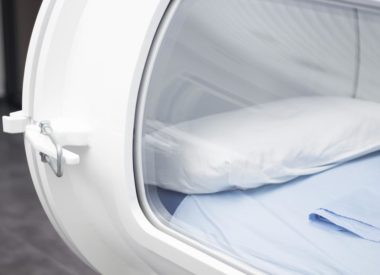
“Why not just use oxygen at night?” After all, one major problem with untreated sleep apnea is the precipitous drop in oxygen levels in the blood, known as hypoxia . However, when it comes to obstructive breathing patterns, O2 therapy is not the go-to treatment (for a reason). But that doesn’t preclude its use in…
Read more
August 10, 2016 by Sound Sleep Health
The acronym, COPD, refers to 2 common breathing disorders: chronic bronchitis and emphysema. Both conditions make it difficult to breathe during the day while you are awake. At bedtime, COPD can create nearly impossible conditions for getting adequate sleep. It can also worsen other preexisting (or undetected) sleep disorders. A closer look at COPD Chronic…
Read more
August 9, 2016 by Sound Sleep Health
Neither are common, but a lot of discussion has centered on both central sleep apnea and ASV in the last year because of safety concerns. Check out our primer on these specialty sleep health topics. First things first: A review Because central sleep apnea is less common, it’s always a good idea to review what…
Read more

August 8, 2016 by Sound Sleep Health
All of them matter, to be sure. However, there are two which are of particular interest for those who have sleep breathing disorders. AHI and RDI both measure the quality of your breathing during sleep, but they technically count on different aspects of breathing in order to arrive at their numbers. So what is the…
Read more

August 4, 2016 by Sound Sleep Health
What we don’t always think about is how having sleep apnea may impair us during the day, when we’re awake . A common side effect of sleep apnea is excessive daytime sleepiness (EDS), which may be the most commonly understood adverse effect of having this sleep-breathing disorder. However, poor breathing during sleep can also lead…
Read more